
Rent doesn't pause when the schedule thins out. A detail shop wins when the weeks book themselves in advance: high-intent Google traffic, a reputation that shows up before the customer does, and a front desk that never lets a quote die in the inbox.
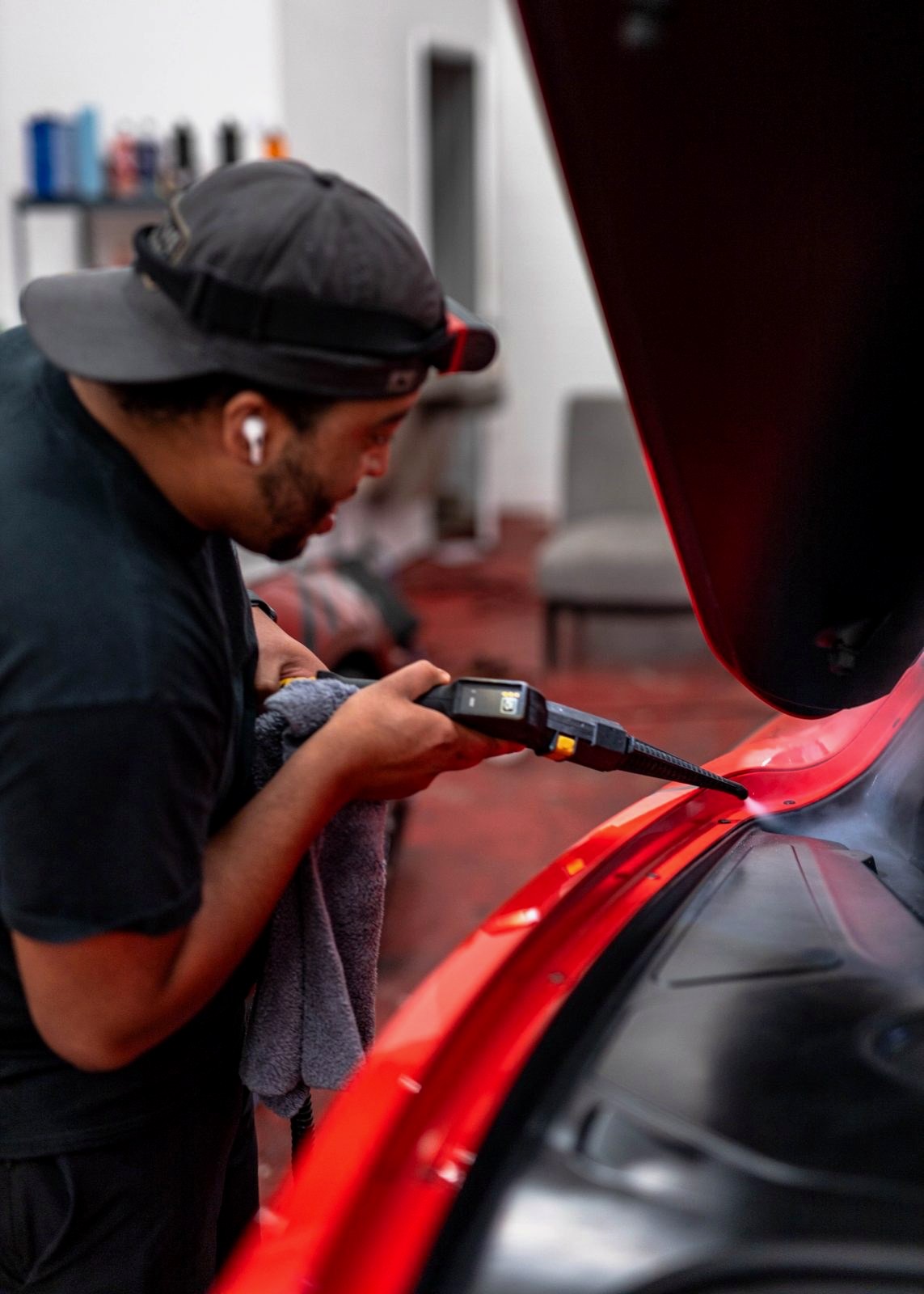 FIG. 01
In the bay · Obsidian Detail Studios
The shop reality
Your overhead makes you honest. A mobile guy can coast on a slow week. A shop with a lease, insurance, and two employees can't. Which is why shop marketing has one job above all others: predictability. Saturday sells itself. The system exists to sell Tuesday.
Walk-ins and drive-by visibility used to carry local shops. Now the customer picks from a map on their phone, reads the last five reviews, and books whoever looked the most established. That decision happens before they leave the couch.
Saturday sells itself. The system exists to sell Tuesday.
We also run detailing operations of our own, and the shop playbook that came out of it leans on three things: owning the local map results, a website that pre-sells the visit and takes the booking, and follow-up automation that works quotes like a full-time front desk.
What changes
Findings — typical shop
After the fix
Straight answers
Weekdays get sold in advance or they don't get sold. Midweek offers running through Google Ads, a Business Profile that gets posted to, maintenance plans that pre-book returning customers, and quote follow-up that closes stragglers all feed Tuesday and Wednesday while Saturday takes care of itself.
Review velocity with real detail in the text, photos added on a schedule, a complete and active Business Profile, consistent listings across directories, and a website that backs the profile up with service and city pages. It compounds over months, which is why nobody outruns a shop that started earlier.
Start from your average ticket and work backward to a cost per booked job you can live with, then fund the channels that hit it. A shop with a $300 average ticket views ad spend differently than one selling $1,500 corrections. The audit puts real numbers on that math for your market.
Yes. The customer who used to notice your sign now picks from a map on their phone, reads the last five reviews, and books before they leave the couch. Drive-by visibility still helps, but the map result has become the front door.
From the growth guide: Local SEO for Detailers: 8 Google Maps Myths vs. Reality →
The free audit
Tell us where the shop stands. We'll go through your ads, website, Google profile, and follow-up before the call, then walk you through what we'd fix first to keep the schedule full.
If we're not the right fit for your market, we'll say so on the call.
This form books a conversation. That's all it does.